A delivery that once terrified batters was legislated towards extinction by a testing regime nobody could satisfy under match conditions.
The doosra died of paperwork, not physics
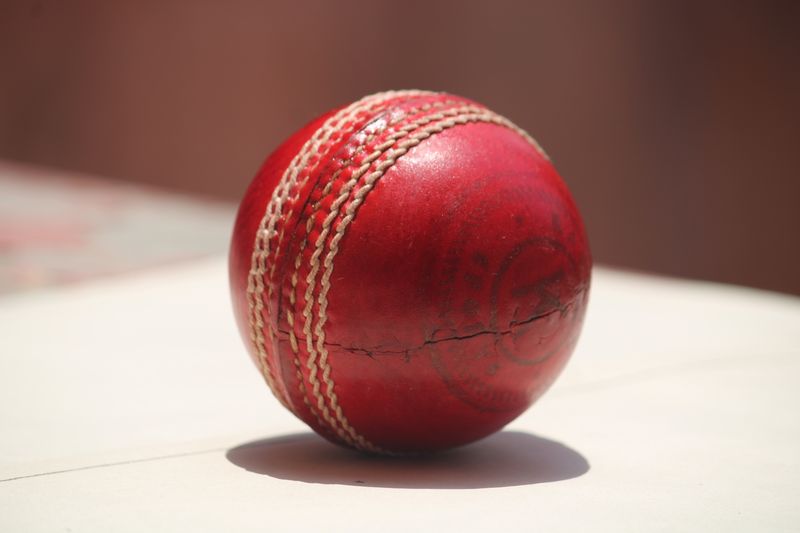
There is a generation now that has never seen a proper doosra bowled in an international match and half assumes the ball was a myth. It was not. For about a decade it was the most feared delivery in the limited-overs game, and then it quietly vanished, and it vanished for administrative reasons rather than because batters solved it.
The mechanics explain why. An off-spinner turns the ball one way by rotating the forearm inward through release. To spin it the other way out of the same hand, without the obvious wrist flick that a batter can read, the bowler has to get the palm behind the ball and drive it out with a straightening action at the elbow. For most human arms that means flexion beyond the tolerance the laws allow. Not cheating exactly. Anatomy.
The tolerance figure was set after biomechanics work showed that almost every bowler straightens a little and that the naked eye cannot reliably see small amounts of it. Fair enough as science. The problem was enforcement. A bowler is tested in a laboratory, in a shirt covered in markers, bowling at a net, at a speed and intensity that is not the fifteenth over of a tight chase. Plenty passed in the lab and were reported again in matches, which tells you the test measured something adjacent to the thing everyone cared about.
Faced with that, coaches did the rational thing. They stopped teaching it. Why spend three years building a delivery that might end a career on a report from a square-leg umpire, when the carrom ball, flicked out between thumb and bent middle finger, turns the same way with an action nobody will question?
I think the sport lost something real and gained a cleaner conscience, and I am not convinced the trade was worth it. The doosra was the last delivery that made a set batter genuinely uncertain which way the ball would go, and it was beaten not by better batting but by a clipboard.
The carrom ball is a fine replacement in theory. In practice it turns less, it comes out slower, and good players pick it from the wrist before it lands.
How did you feel about this article?
Related Articles